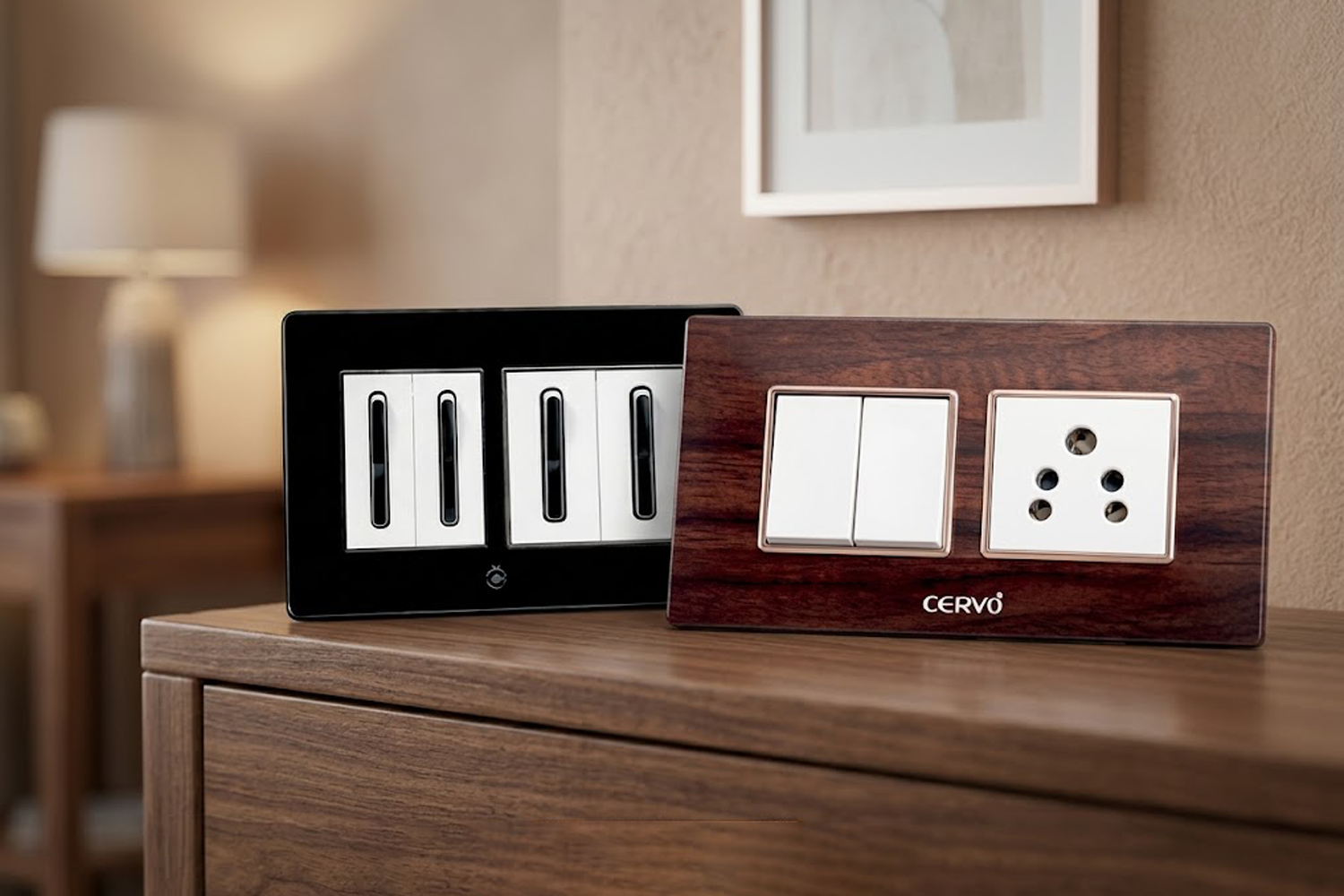
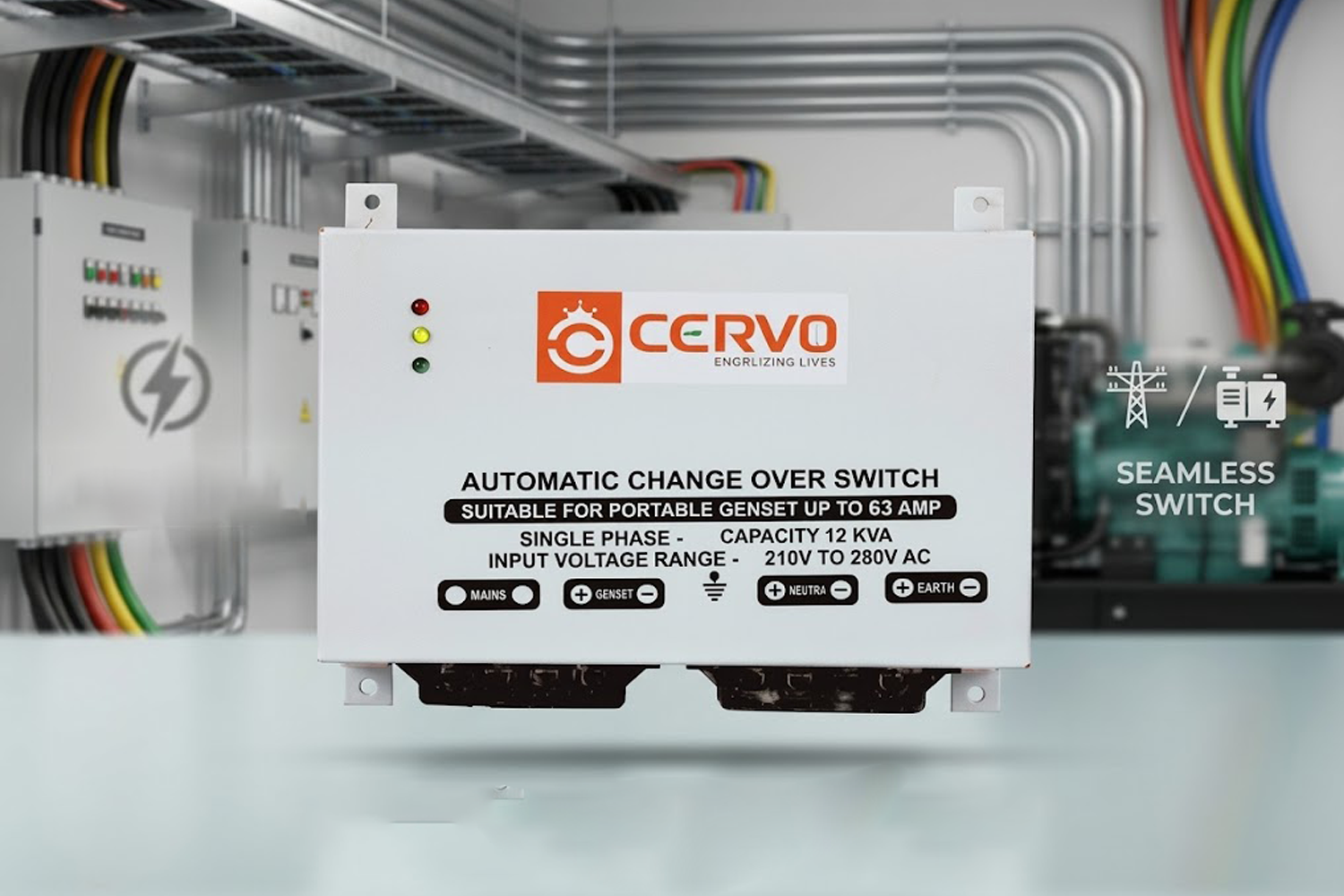
Electricity powers almost every convenience in modern homes, from lighting and climate control to kitchen appliances and smart devices. However, because it is so integrated into our daily routines, it is easy to take electrical safety for granted. Outdated wiring, damaged cords, overloaded sockets, and improper usage of electrical appliances can lead to significant hazards, including electrical shocks, power surges, and domestic electrical fires.
Understanding Residential Electrical Hazards
Many home electrical accidents can be prevented with simple awareness and proactive maintenance. The most common hazards in residential spaces stem from overloaded extension cords, faulty switches or sockets, and using appliances near wet environments without proper grounding. Identifying these potential dangers early can protect your home, family, and valuable devices from severe damage.
Investing in high-quality, flame-retardant electrical accessories, safety switches (like MCBs and RCCBs), and modular boxes goes a long way in ensuring a secure and trouble-free home power distribution system.
Critical Electrical Safety Tips for Every Home
To maintain a safe living environment, it is highly recommended to follow these essential electrical safety tips at home:
01
Never Overload Power Outlets
Avoid plugging multiple high-wattage appliances into a single wall outlet or extension cord. This can lead to overheating and potential circuit failure.
02
Replace Damaged Wires Immediately
Inspect appliance power cords regularly. If you notice frayed wires, exposed insulation, or loose plugs, discontinue use and replace them immediately.
03
Install GFCIs/RCCBs in Wet Areas
Always ensure that outlets in bathrooms, kitchens, laundries, and outdoor locations are equipped with Ground Fault Circuit Interrupters (GFCIs) to prevent shocks.
04
Use Correct Wattage Bulbs
Using a bulb with a wattage higher than recommended for a light fixture can cause the fixture to overheat, melting insulation and increasing fire risks.
When to Call a Professional Licensed Electrician
While basic caution is excellent, certain warning signs in your electrical system require immediate attention from a qualified professional:
Frequently Tripping Breakers:
If a particular circuit breaker trips repeatedly, it indicates a persistent overload or a short circuit that needs to be diagnosed.
Flickering or Dimming Lights:
Flickering lights when turning on high-power appliances suggest loose connections, overloaded circuits, or sub-standard wiring.
Warm Outlets or Burning Smells:
Outlets, switch plates, or appliances that feel hot to the touch or emit a faint burning odor must be shut off and inspected immediately.
Everything You Need to Know
A Ground Fault Circuit Interrupter (GFCI) monitors the balance of electrical current. If it detects an imbalance (meaning current is escaping, potentially through a person), it cuts power in milliseconds to prevent severe shocks.
Breakers trip to protect your electrical system. Common causes include overloaded circuits (too many devices running simultaneously), a short circuit (hot wire touching a neutral wire), or a ground fault.
No, extension cords are designed for temporary use only. Using them long-term can cause the cord to degrade, creating shock or fire hazards. It is far safer to have a licensed electrician install new wall outlets.
It is recommended to test smoke alarms and the test buttons on your GFCIs/RCCBs once a month. This ensures their mechanical components and sensors are functioning properly in case of an emergency.
While some homeowners feel confident with minor DIY tasks, working with live wiring poses substantial risks of shock or fire. It is always safest and highly recommended to hire a licensed electrician to perform replacements.